
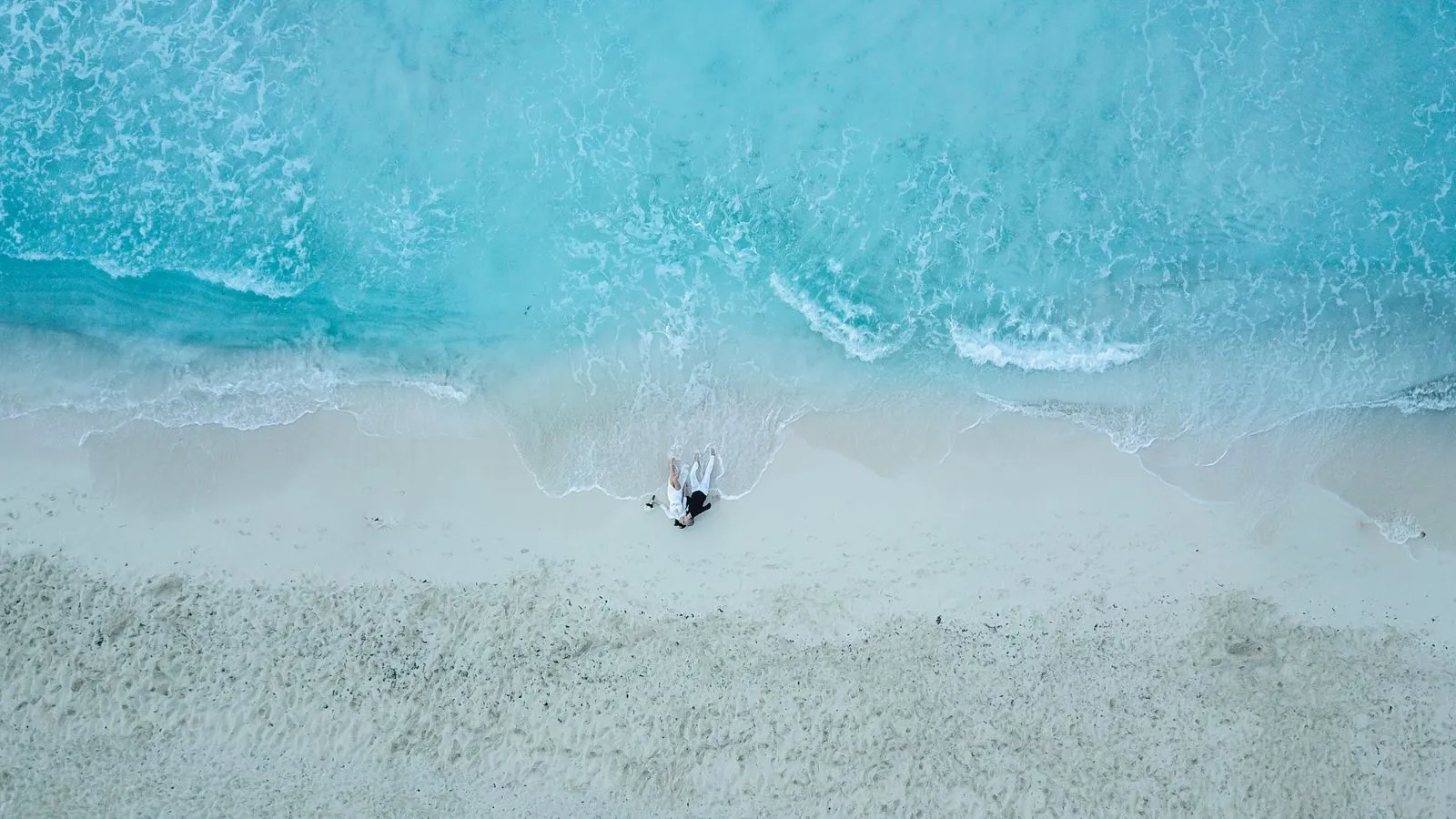
A drone can show how a wedding venue sits in its surroundings, capture a sweeping approach, or reveal the shape of an outdoor ceremony. But not every site offers a safe or useful place to fly. Before adding wedding drone video to your plans, look at the venue’s layout, check for nearby airspace restrictions, and consider whether the property has details that will read clearly from above. A quick assessment helps you set realistic expectations and avoid last-minute surprises.
Start With the Venue Layout
Look for an open area where a drone can take off and land without crossing guests, service paths, or active event spaces. A broad lawn, field, or courtyard may offer room to work; a tightly packed venue with overhead wires, trees, or buildings may limit flight options. Ask the venue manager where equipment can be staged and whether the property has any rules about drones.
Consider what the drone would need to fly over to get the shot you want. A wide view of the property may be possible from a clear edge, while a shot directly above a ceremony could be unsafe, restricted, or distracting. Share a site map or photos with your videographer and identify moments when guests are not gathered beneath the planned flight path.
Check Airspace and Local Rules
A venue’s appearance does not tell you whether drone flights are allowed. Airports, heliports, temporary flight restrictions, and other controlled airspace can affect where and when a pilot may fly. In the Phoenix area, check the exact venue location rather than relying on a general assumption about the city. A qualified drone operator can review current requirements and determine whether authorization is needed.
Confirm that the operator will follow applicable aviation rules, including requirements for the aircraft, pilot, and flight conditions. Also ask whether the venue requires advance approval or proof of insurance. Do not treat a venue’s permission as a substitute for airspace clearance, and do not assume that a planned flight can proceed until the pilot confirms it is permitted.
Look for Strong Aerial Details
Drone footage works best when the property has recognizable features that tell part of the wedding story. Examples include a distinctive building, a garden arranged around the ceremony space, a long driveway, a pool, or a clear contrast between the venue and its landscape. These details can help establish the setting and create transitions between parts of the film.
Think about what the surroundings look like from above, not just from the ground. Nearby roads, parking areas, construction, or neighboring rooftops may appear in a wide shot. Ask your videographer to explain which angles highlight the venue and which views they would avoid. A short, purposeful aerial sequence often adds more than repeated overhead shots.
Plan Around the Wedding Day
Wind, rain, visibility, and changing light can affect whether a drone can fly safely. Build a backup plan with your videographer, such as filming the venue before guests arrive or capturing exterior details from the ground if conditions prevent flight. Keep the schedule flexible enough to allow a brief aerial window without interrupting the ceremony or taking time away from guests.
Ask specific questions before booking: What areas could you fly from? What views are realistic? What restrictions or weather conditions could cancel the flight? Who will coordinate with the venue? Desert Sky Films can help couples assess these details for a Phoenix-area wedding, but the same checklist is useful wherever your venue is located.
A venue is a good fit for drone footage when it offers a safe flight plan, permitted airspace, and views that add context to your wedding film. Review the property with your videographer, confirm approvals early, and agree on a ground-based backup. If you are considering aerial coverage, share your venue details and ask what shots are practical.